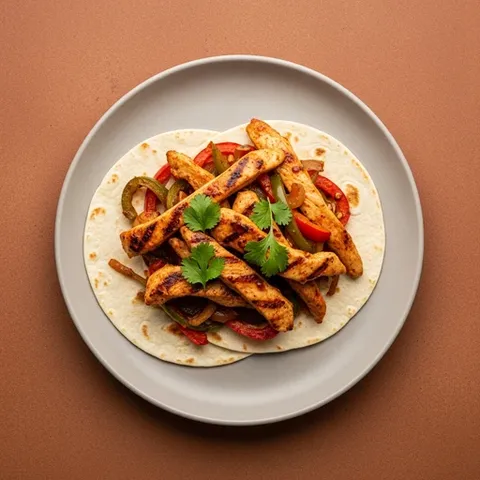
A high protein lunch has at least 30 g of protein, which you get from about 4 oz of chicken, a can of tuna or a big scoop of Greek yogurt plus beans. Below are the 18 lunches in our planner that clear that bar, with protein and calories computed from the actual recipe amounts, plus no-cook picks, vegetarian fixes and how to pack them safely.
Lunch is where protein usually falls short. Breakfast is often toast or cereal, dinner tends to be generous, and lunch ends up as whatever's quick. Getting 30 g at midday spreads protein more evenly across the day, and it's a lot easier to do with a plan than with a vending machine.
How much protein should lunch have?
For most adults, 25 to 40 g at lunch is a reasonable target, and 30 g is a simple line to aim for. Here's where that comes from.
- The minimum: the National Academy of Medicine's recommended intake is 0.8 g of protein per kilogram of body weight per day. Harvard's Nutrition Source translates that to just over 7 g for every 20 pounds, or about 50 g a day for a 140-pound person.
- The current federal goal: the Dietary Guidelines for Americans, 2025–2030 set a higher protein goal of 1.2 to 1.6 g per kilogram per day, and ask you to prioritize protein foods at every meal.
Take a 150-pound (68 kg) adult. At the 2025–2030 goal, that's about 82 to 109 g a day. Split over three meals, that's roughly 27 to 36 g each, so a 30 g lunch puts you right in the middle. If you're larger, very active or trying to build muscle, our high protein meal plan explains how to set a daily number. If you have kidney disease or another medical condition, talk to your doctor or a registered dietitian before raising your protein intake.
The highest protein lunches in our planner
These are the planner's lunches tagged high protein, sorted by protein per serving. The numbers are calculated from each recipe's ingredient amounts using standard nutrition values, so brands and portion sizes will move them a little.
| Meal | Time | Protein | Calories |
|---|---|---|---|
| Chicken burrito bowl | 30 min | 44 g | 612 |
| Chicken salad sandwich | 10 min | 42 g | 501 |
| Tuna white bean salad | 10 min | 42 g | 423 |
| Chicken noodle soup | 40 min | 41 g | 491 |
| Sesame chicken salad | 15 min | 40 g | 454 |
| Chicken Caesar wrap | 15 min | 39 g | 526 |
| Tuna salad sandwich | 10 min | 39 g | 443 |
| Chicken tortilla soup | 35 min | 39 g | 460 |
| Greek chicken pita | 25 min | 38 g | 436 |
| Southwest chicken salad | 25 min | 38 g | 464 |
| Chicken Cobb salad | 25 min | 34 g | 454 |
| Buffalo chicken wrap | 25 min | 34 g | 418 |
The table shows the top 12. The other six land between 30 and 34 g: Chicken pesto pasta salad, Thai peanut chicken wrap, Strawberry spinach chicken salad, Shrimp avocado salad, Egg roll in a bowl and Turkey avocado sandwich.
No-cook high protein lunches
The fastest high protein lunches lean on three things you don't have to cook: canned tuna, rotisserie chicken and deli turkey. Each of these takes 15 minutes or less with no stove.
- Tuna white bean salad (about 42 g protein, 423 kcal). A can of tuna, half a can of cannellini beans, cherry tomatoes, red onion, lemon and olive oil over spinach. Beans add fiber as well as protein, nearly 12 g of it.
- Chicken salad sandwich (about 42 g, 501 kcal). Rotisserie chicken mixed with Greek yogurt, a little mayo, celery and apple on whole-wheat bread. The yogurt adds protein and lets you use less mayo.
- Sesame chicken salad (about 40 g, 454 kcal). Rotisserie chicken, coleslaw mix, edamame and almonds with a soy-sesame dressing. Cabbage stays crunchy, so this one packs well.
- Chicken Caesar wrap (about 39 g, 526 kcal). Rotisserie chicken and romaine in a quick lemon-Parmesan dressing, rolled in a large tortilla.
- Tuna salad sandwich (about 39 g, 443 kcal). The classic, with lemon and celery. A full can of tuna per sandwich is what gets it to 39 g.
- Turkey avocado sandwich (about 30 g, 432 kcal). Deli turkey, cheddar, avocado and tomato.
Make-ahead lunches with 35 g or more
If you'd rather cook once and eat all week, these are the high protein lunches that hold up best in the fridge. Each is marked as good for meal prep in the planner.
- Chicken burrito bowl (about 44 g, 612 kcal). Spiced chicken, rice, black beans, corn and salsa. Build four bowls at once.
- Chicken noodle soup (about 41 g, 491 kcal) and Chicken tortilla soup (about 39 g, 460 kcal). Soups reheat well and freeze well.
- Chicken pesto pasta salad (about 34 g, 500 kcal). Eaten cold, so no microwave needed.
- Egg roll in a bowl (about 32 g, 496 kcal). Ground turkey and cabbage with soy, ginger and garlic over rice. Done in 25 minutes.
Want lunches that are mostly about keeping well rather than maximum protein? Our guide to easy meal prep lunches covers grain bowls, soups and salads that don't wilt.
How do you get 30 g of protein in a vegetarian lunch?
Pair a bean, chickpea or cheese lunch with a protein-rich side. In our planner, the vegetarian lunches land between about 15 and 26 g on their own, so a side is what pushes them over 30.
| Lunch | Protein | Add | Total |
|---|---|---|---|
| Smashed chickpea sandwich | 21 g | Edamame with sea salt (18 g) | About 39 g |
| Caprese sandwich | 23 g | Greek yogurt with blueberries (18 g) | About 41 g |
| Peanut noodle salad | 22 g | Edamame with sea salt (18 g) | About 40 g |
| Black bean quesadilla | 19 g | Cottage cheese with berries (17 g) | About 36 g |
| Kale Caesar with chickpeas | 22 g | Hard-boiled eggs and tomatoes (13 g) | About 35 g |
For a vegan version, edamame is the easiest add-on: the planner's 150 g serving (about a cup, shelled) has almost 18 g of protein, and it thaws in a few minutes under warm water.
Protein building blocks for any lunch
If you'd rather improvise, here's roughly how much protein the common lunch ingredients bring, using the same nutrition values as our planner.
| Ingredient | Amount | Protein |
|---|---|---|
| Rotisserie chicken | 100 g (about 3½ oz) | 29 g |
| Canned tuna, drained | 1 can (113 g) | 29 g |
| Cooked shrimp | 120 g raw weight | 24 g |
| Firm tofu | 100 g | 17 g |
| Deli turkey | 3 oz (85 g) | 14 g |
| Eggs | 2 large | 13 g |
| Edamame, shelled | 100 g | 12 g |
| Cottage cheese | 100 g | 11 g |
| Plain nonfat Greek yogurt | 100 g | 10 g |
| Kidney or black beans, canned | 100 g | 6–9 g |
A quick rule: one palm-size portion of chicken or a can of tuna gets you most of the way to 30 g. Beans and grains fill in the rest.
How to pack a high protein lunch safely
Almost every high protein lunch is perishable: chicken, tuna, eggs, yogurt and deli meat all need to stay cold. USDA's Food Safety and Inspection Service gives clear rules for packed lunches.
- Use two cold sources. Pack at least two, such as two frozen gel packs no smaller than 5 by 3 inches, or a gel pack plus a frozen water bottle. Put one above and one below the food.
- Use an insulated bag. Soft-sided insulated lunch bags are best for keeping food cold.
- Watch the clock. Perishable food shouldn't sit at room temperature more than 2 hours, or 1 hour above 90°F. If there's a fridge at work, use it, and leave the bag open in there so the cold air reaches the food.
- Prep the night before, pack in the morning. Make the food ahead so it's fully chilled, but put the bag together right before you leave.
- Reheat to 165°F. For soups and leftovers, cover the container and heat until it's steaming throughout. For hot lunches without a microwave, fill an insulated container with boiling water, let it stand a few minutes, empty it and add the piping hot food.
- Toss what's left. USDA advises discarding leftover perishable food from a packed lunch rather than bringing it home for later.
Some foods don't need a cold source at all: whole fruit and vegetables, hard cheese, canned fish, bread, crackers and peanut butter. An unopened can of tuna, bread and an apple is a safe high protein lunch you can keep in a desk drawer.
How long do high protein lunches keep?
Most keep 3 to 4 days in a fridge at 40°F or below, which is why meal prepping four lunches at a time works better than five. From the FoodSafety.gov cold storage chart:
- Chicken, tuna and egg salads: 3 to 4 days, and they don't freeze well
- Cooked chicken and other cooked meat: 3 to 4 days
- Soups and stews: 3 to 4 days in the fridge, 2 to 3 months frozen
- Deli-sliced or opened lunch meat: 3 to 5 days
- Hard-cooked eggs: 1 week
USDA also suggests leaving mayonnaise, lettuce and tomato off any sandwich you freeze, and adding them later.
Build a week of high protein lunches
A simple pattern: one make-ahead lunch for Monday through Wednesday, then two quick no-cook lunches for Thursday and Friday so nothing sits in the fridge too long. For example, Chicken burrito bowls Monday to Wednesday, then a Tuna white bean salad and a Chicken salad sandwich from Thursday's rotisserie chicken.
The meal planner will do this for you. Choose a high protein week, keep lunches switched on and turn on Cook once, eat twice so some dinners come back as the next day's lunch. If you also want to see what you actually ate, GRAM, our iPhone app, logs meals and tracks your daily protein.