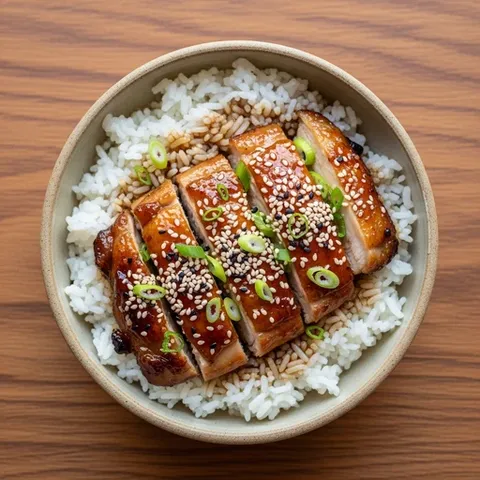
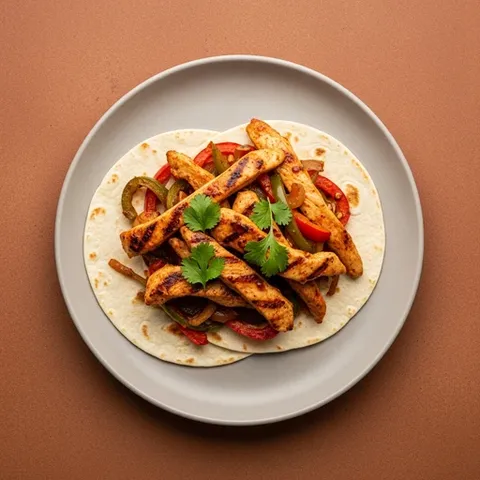
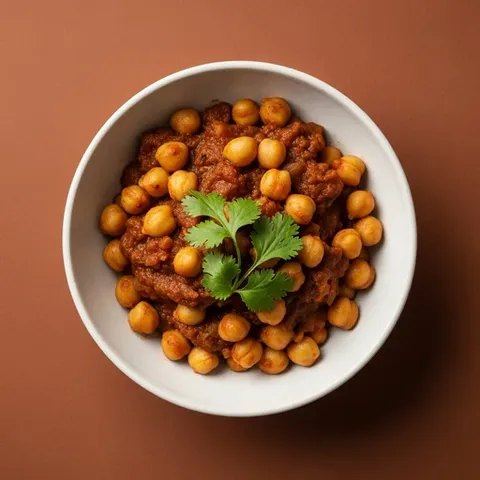
The cheapest healthy meal plans are built on three habits: protein from beans, lentils and eggs instead of mostly meat, recipes that share ingredients so nothing is bought for a single use, and dinners cooked big enough to become tomorrow's lunch. The planner above uses all three for a family of four. Below is the week it's built around, with the real numbers from its grocery list.
Where does the money go in a meal plan?
Two places: protein and waste. Meat, fish and cheese are usually the priciest items in the cart, and they're also the ones people overbuy. The second leak is quieter. A head of romaine bought for one sandwich, a jar of tahini for one recipe, a bunch of cilantro that wilts by Thursday. You pay full price for food you never eat.
The FDA's food waste tips start in the same spot: plan the week's meals, write the list, check the fridge first and buy only what's on it. That's the planner's whole job. It also picks meals that reuse what's already on your list, so the second recipe that needs bell peppers uses the rest of the ones you bought for the first.
What's the cheapest protein per serving?
Beans, lentils and eggs, almost everywhere. The American Heart Association calls beans one of the most cost-effective protein sources and notes that meat usually costs more per pound. Prices change by store and by week, so instead of quoting them, here is how much protein you get from one package of each, using the same nutrition values as the planner. Divide the shelf price by the protein to compare what's in your store.
| Food, as you buy it | Protein in the package | How this week uses it |
|---|---|---|
| Dry lentils, 1 lb bag | about 112 g | Not this week, but Lentil soup uses 70 g dry per serving |
| Eggs, 1 dozen | about 76 g | 40 eggs across five meals |
| Chicken thighs, 1 lb | about 89 g | Swap in for breast in the soup if they're cheaper |
| Ground turkey, 1 lb | about 85 g | 2 lb cover two dinners |
| Canned tuna, one 5 oz can | about 29 g | One can per tuna sandwich |
| Canned kidney beans, 15 oz | about 22 g | 2 cans in the chili |
| Canned black beans, 15 oz | about 15 g | 10 cans across five meals |
A pound of dry lentils holds more protein than a pound of chicken breast (about 112 g versus 102 g) and keeps for months in the pantry. Canned beans give less protein per can, but they add fiber, need no soaking and stretch a small amount of meat a long way. That's why the Turkey chili has 40 g of protein per serving with only about 4 oz of turkey in each bowl.
A budget meal plan for a family of four
This is the week the planner's budget preset is built around: four people, breakfast, lunch and dinner, with Cook once, eat twice turned on. Your own plan will shuffle the meals, so use this as a model and swap anything.
| Day | Breakfast | Lunch | Dinner |
|---|---|---|---|
| Mon | Berry overnight oats | Egg salad sandwich | Bean and cheese burritos (double batch) |
| Tue | Breakfast burritos | Leftover burritos | Turkey chili |
| Wed | Peanut butter banana overnight oats | Tuna salad sandwich | Minestrone soup (double batch) |
| Thu | Berry overnight oats | Leftover minestrone | Veggie fried rice |
| Fri | Breakfast burritos | Black bean quesadilla | Chicken noodle soup (double batch) |
| Sat | Potato and egg breakfast tacos | Leftover chicken noodle soup | Spaghetti with turkey meat sauce |
| Sun | Apple cinnamon oatmeal | Smashed chickpea sandwich | Black bean tacos |
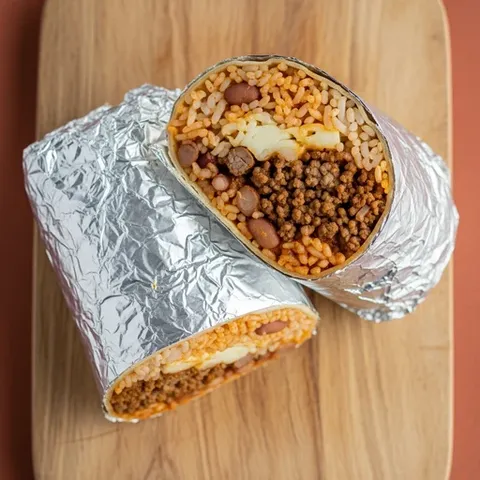
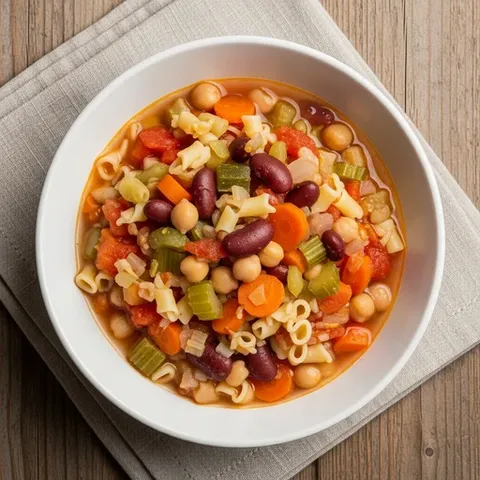
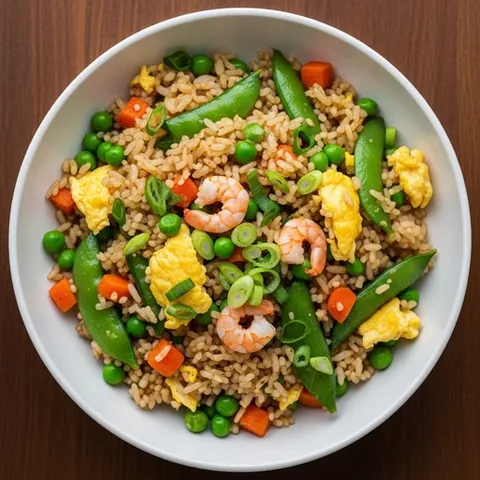
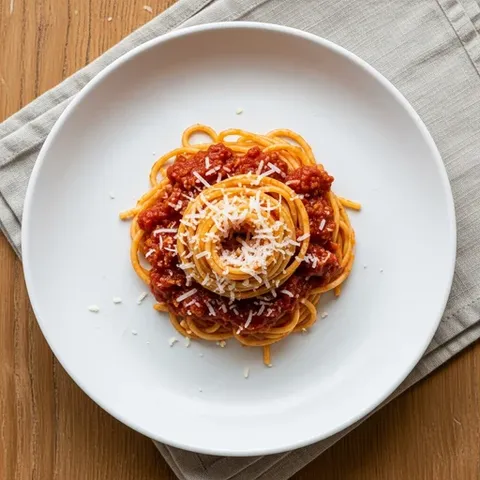
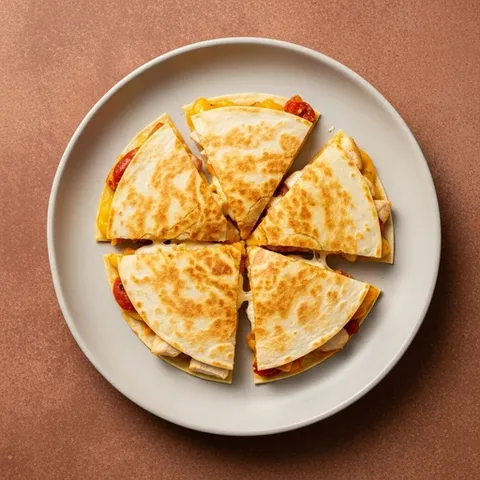
Each person averages about 77 g of protein a day from these meals, before any snacks. Only one dinner uses chicken and two use ground turkey. The rest of the protein comes from beans, eggs, tuna, dairy and pasta.
How ingredient overlap cuts the grocery bill
Add the week up and the list for four has 54 items to buy plus 11 pantry staples. The savings show up in what repeats:
- Black beans, 10 cans. Burritos, breakfast burritos, quesadillas and tacos all use them, so you can buy the bigger pack or the store brand and use every can.
- Ground turkey, 2 lb. The chili needs about 480 g for four and the spaghetti about 440 g. Together that's two 1 lb packages with nothing left over.
- Eggs, 40. Egg salad, two breakfast burrito mornings, fried rice and breakfast tacos. Buy them in 18- or 24-packs.
- Salsa, 2 jars, and large flour tortillas, 3 packs of 8. The salsa shows up in six meals, the tortillas in four.
- Celery, 2 bunches. Shared by egg salad, tuna salad, minestrone, chicken soup and the chickpea sandwich, so the whole bunch gets used.
The list also shows you the weak spots. In this week, three items are bought for a tiny amount: 60 g of romaine from a whole head (tuna sandwich), 40 g of tahini from a 16 oz jar (chickpea sandwich) and 12 g of cilantro (breakfast tacos). Swap the romaine for the spinach you already have, use a spoon of mayo instead of tahini, and skip the cilantro. Three items off the list, and the meals barely change.
Frozen vegetables, pantry grains and store brands
This week buys frozen corn, peas, mixed vegetables and two bags of frozen berries. Frozen produce is picked and frozen in season, it costs the same in January as in July, and you use exactly the 30 g of peas a recipe needs while the rest waits. Oats, rice, pasta, dry lentils and canned tomatoes do the same job in the pantry.
Store brands make the most sense for plain staples like canned beans, tomatoes, broth, oats, rice, pasta, frozen vegetables and cheese. Compare the unit price on the shelf tag (price per ounce or per pound) rather than the package price, since bigger isn't always cheaper.
How does this compare to the USDA Thrifty Food Plan?
The Thrifty Food Plan is USDA's model of a healthy diet on a limited budget. It is a weekly market basket of foods for different ages, with a cost that USDA updates every month for food price inflation. Its cost for a reference family of four (two adults, a 6–8-year-old and a 9–11-year-old) sets the maximum SNAP benefit. USDA publishes the monthly figures in its Cost of Food reports. Check the latest one for a realistic weekly target for your household, then compare your receipt.
A plan like this one sits close to that kind of basket: whole grains, beans, eggs, dairy, a little meat, and lots of canned and frozen produce, cooked at home.
Budget dinners in the planner
The budget style has 25 dinners to choose from. These have the most protein per serving:
| Meal | Time | Protein | Calories |
|---|---|---|---|
| Chicken noodle soup | 40 min | 41 g | 491 |
| Turkey chili | 45 min | 40 g | 479 |
| Spaghetti with turkey meat sauce | 30 min | 37 g | 649 |
| Turkey tacos | 25 min | 34 g | 517 |
| Turkey sloppy joes | 25 min | 33 g | 496 |
| Baked ziti | 45 min | 32 g | 618 |
| Broccoli mac and cheese | 25 min | 31 g | 696 |
| Red lentil dal | 35 min | 28 g | 738 |
| Lentil bolognese | 45 min | 27 g | 656 |
| Lentil soup | 45 min | 25 g | 501 |
| Shakshuka | 30 min | 24 g | 452 |
| Grilled cheese and tomato soup | 25 min | 24 g | 540 |
Leftovers keep 3 to 4 days in the fridge. Get them into shallow containers within 2 hours of cooking. For more ways to cut the bill, read eating healthy on a budget, batch the week with the meal prep plan, or build a list for meals you already know with the grocery list maker. Feeding picky kids too? The family meal plan has a week of weeknight dinners kids tend to eat.