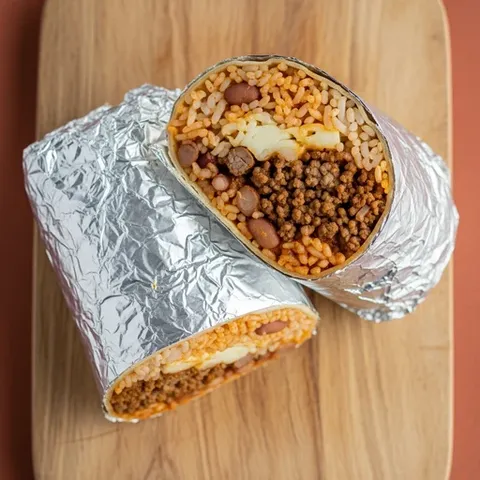
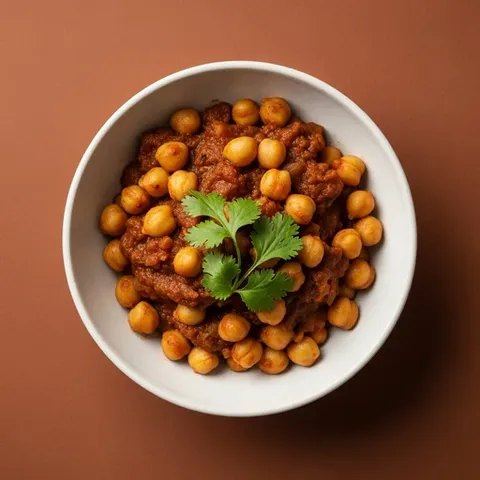
A high protein meal plan is a normal week of food with a protein source at every meal, sized so the day adds up to your target. Most adults need at least 0.8 g of protein per kilogram of body weight, and people who train or are over 65 often aim higher. The planner above builds the week and the grocery list for you; this page explains the numbers.
How much protein do you actually need?
The Recommended Dietary Allowance for healthy adults is 0.8 g of protein per kilogram of body weight per day. Harvard's Nutrition Source puts it as a little over 7 g for every 20 lb, or about 50 g a day for a 140 lb person. That is the amount that covers basic needs for nearly everyone. It isn't a ceiling.
The Dietary Guidelines for Americans, 2025–2030 go further and set a protein goal of 1.2 to 1.6 g per kilogram of body weight a day for adults, adjusted to your calorie needs. For a 154 lb (70 kg) person that's about 84 to 112 g, which is roughly what a high protein week in the planner adds up to.
Two groups are commonly advised to eat more:
- People who exercise regularly. The International Society of Sports Nutrition's position stand says 1.4 to 2.0 g/kg per day is enough for most exercising people to build and keep muscle.
- Adults over 65. The PROT-AGE Study Group recommends at least 1.0 to 1.2 g/kg per day, at least 1.2 g/kg for older adults who exercise or are otherwise active, and 1.2 to 1.5 g/kg for most older people with an acute or chronic illness.
Here's what those ranges look like in grams. To get your weight in kilograms, divide pounds by 2.2.
| Body weight | RDA (0.8 g/kg) | Over 65 (1.0–1.2 g/kg) | Exercising (1.4–2.0 g/kg) |
|---|---|---|---|
| 130 lb (59 kg) | 47 g | 59–71 g | 83–118 g |
| 154 lb (70 kg) | 56 g | 70–84 g | 98–140 g |
| 200 lb (91 kg) | 73 g | 91–109 g | 127–181 g |
How to spread protein across your meals
Spread protein evenly: about 20 to 40 g per meal, every 3 to 4 hours. That is the ISSN's guidance, which also gives it as roughly 0.25 g per kilogram of body weight per meal (about 18 g for a 154 lb person). In practice, most people eat a small breakfast, a medium lunch and most of their protein at dinner. Fixing breakfast does more than adding a shake at night.
That's how the planner's high protein style is built. Every breakfast in it has at least 25 g of protein, every lunch and dinner at least 30 g, and every snack at least 15 g. You don't need to count anything. If the meals are on the plan, the protein is too.
A sample high protein day from the planner
This is one day the planner can build, with protein and calories per serving calculated from the recipe amounts:
| Meal | From the planner | Protein | Calories |
|---|---|---|---|
| Breakfast | Cottage cheese protein pancakes | 32 g | 501 |
| Lunch | Chicken burrito bowl | 44 g | 612 |
| Snack | Greek yogurt with blueberries | 18 g | 156 |
| Dinner | Turkey chili | 40 g | 479 |
| Day | 134 g | 1,748 |
For a 154 lb person who lifts or runs, 134 g sits near the top of the ISSN range. If your target is lower, drop the snack or swap lunch for a Turkey avocado sandwich (30 g). If you need more energy, add fruit, bread or a second snack. The calories are for the meals as written, not a target.
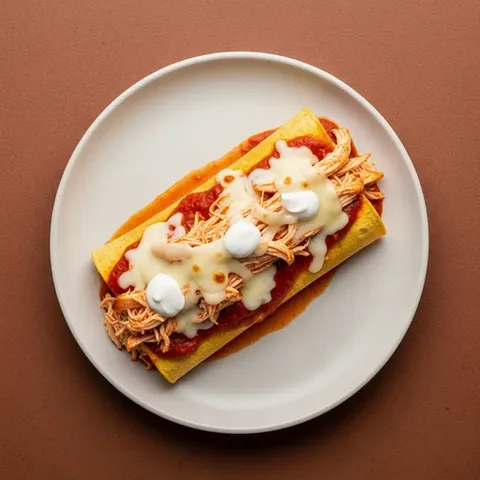
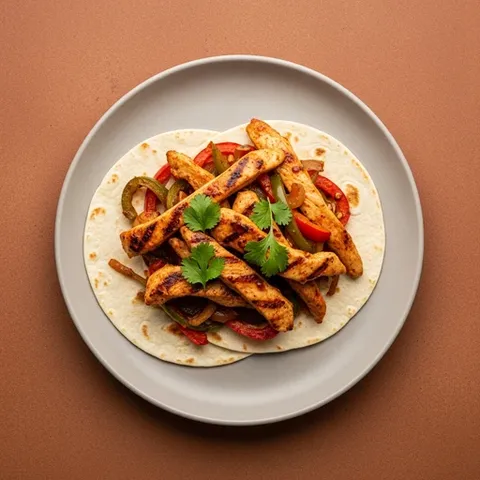
The rest of the week follows the same pattern. These are some of the lunches and dinners the planner rotates in:
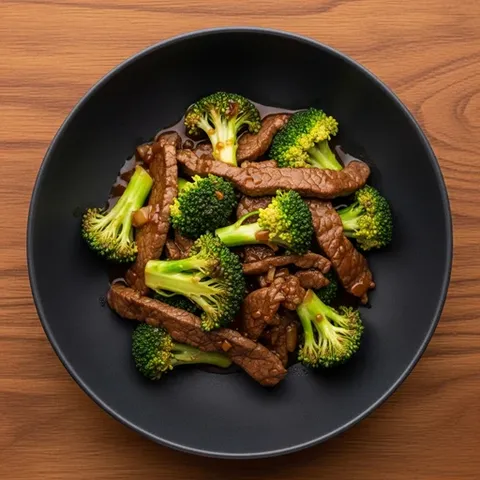
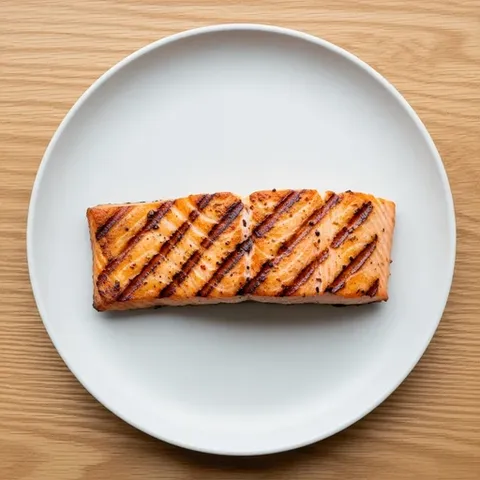
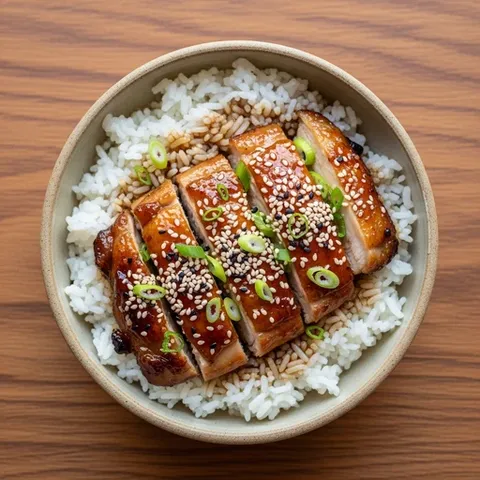
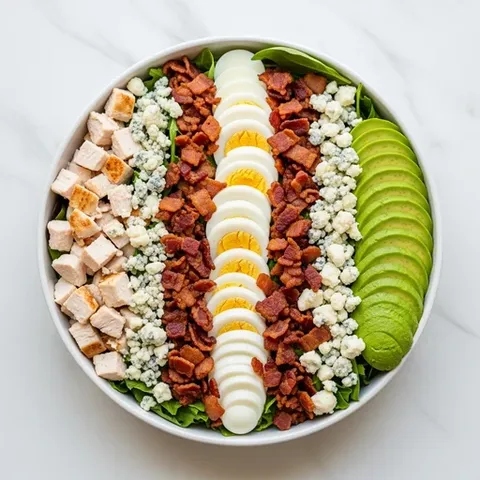
The highest protein dinners in the planner
These are the planner's high protein dinners, sorted by protein per serving. Any of them can be swapped into your week from the meal list.
| Meal | Time | Protein | Calories |
|---|---|---|---|
| Baked chicken Parmesan | 45 min | 60 g | 752 |
| Chicken broccoli Alfredo | 30 min | 52 g | 691 |
| White chicken chili | 40 min | 51 g | 513 |
| Lemon chicken with asparagus | 30 min | 48 g | 544 |
| Chicken enchilada bake | 45 min | 47 g | 587 |
| Chicken burrito bowl | 30 min | 44 g | 612 |
| Sheet-pan chicken fajitas | 30 min | 44 g | 616 |
| Chicken vegetable stir-fry | 25 min | 43 g | 582 |
| Lemon garlic shrimp pasta | 25 min | 42 g | 628 |
| Greek turkey meatball bowl | 35 min | 42 g | 618 |
| Chicken black bean quesadillas | 20 min | 42 g | 557 |
| Chicken noodle soup | 40 min | 41 g | 491 |
Budget protein sources, gram for gram
A high protein diet plan doesn't have to mean steak and powder. Most of the protein in this planner comes from inexpensive foods you can find in any grocery store. The numbers below come from the same nutrition data the planner uses. Meat and fish weights are raw, and lentils are dry.
| Food | Portion | Protein | Calories | Used in |
|---|---|---|---|---|
| Chicken breast | 150 g raw (about 5 oz) | 34 g | 180 | Chicken burrito bowl, fajitas |
| Boneless chicken thigh | 150 g raw | 30 g | 182 | Teriyaki chicken rice bowl |
| Canned tuna in water | 1 can, 113 g drained | 29 g | 131 | Tuna white bean salad |
| Extra-firm tofu | 1/3 block (132 g) | 23 g | 190 | Tofu scramble |
| Ground turkey (93% lean) | 4 oz raw (113 g) | 21 g | 170 | Turkey chili |
| Frozen shelled edamame | 150 g | 18 g | 182 | Edamame with sea salt |
| Plain nonfat Greek yogurt | 170 g (about 3/4 cup) | 17 g | 100 | Greek yogurt parfait |
| Eggs | 2 large | 13 g | 143 | Veggie omelet |
| Cottage cheese (2%) | 113 g (1/2 cup) | 12 g | 95 | Cottage cheese protein pancakes |
| Brown lentils | 50 g dry | 12 g | 176 | Lentil soup |
| Canned kidney beans | 130 g drained | 11 g | 165 | Turkey chili |
| Peanut butter | 2 Tbsp (32 g) | 8 g | 188 | Peanut butter banana toast |
Beans and lentils give less protein per calorie than chicken or tuna, but they bring fiber and cost little, so the planner pairs them with a second protein (turkey and kidney beans in the chili, tuna and white beans in the salad). For more ways to stretch a grocery budget, see the budget meal plan.
High protein meal prep: cook once, eat twice
The fastest way to eat this way on weekdays is to cook protein in batches. The planner's high protein preset turns on Cook once, eat twice: some dinners are cooked as a double batch and come back as the next day's lunch, and the grocery list counts the extra servings. Chili, burrito bowls, shawarma bowls and sheet-pan chicken all reheat well.
- Cook two proteins on Sunday, for example a tray of chicken thighs and a pot of chili, and build lunches from them through Wednesday.
- Keep two no-cook proteins in the fridge: Greek yogurt and hard-boiled eggs or canned tuna. They cover the days when nothing went to plan.
- Eat cooked leftovers within 3 to 4 days, or freeze them.
The meal prep plan has a full 90-minute Sunday schedule, and high protein lunch ideas covers the meal people struggle with most. If you'd like to see whether your real days match the plan, GRAM, our iPhone app, logs meals and keeps a running total of your daily protein.
Prefer plants? Choose Vegetarian in the planner, or read the vegetarian meal plan. Tofu vegetable stir-fry (40 g), Tofu scramble (33 g) and Baked ziti (32 g) all reach the high protein mark without meat.